Poisoned water

You are here:bhopal.org /Bhopal /Health Issues /Poisoned water

The poisoning of Bhopal

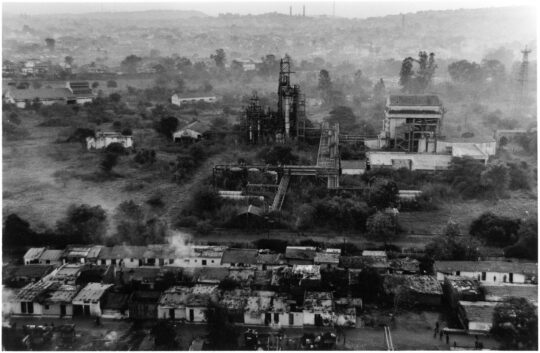
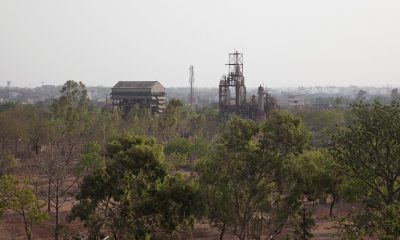
Most people, when they think of Bhopal, recall only the horrors of 'that night', when gas leaked from the Union Carbide factory and killed thousands. What is not generally known is that after the gas leak, the factory was closed and for all practical purposes abandoned by the company. To this day you can see piles of dangerous chemicals lying in the open air. The warehouses are full of sacks of poisons, many of which have split open. Children and animals have been in and left footprints in the chemical dust. The structures and buildings on the site have been left to rot.

Outside the ruins of the Alpha-Napthol plant a heap of brown "rocks" lies exposed to the elements. The rocks are pure carbaryl. If they caught fire they would release MIC, the gas that leaked in 1984. There have been two major grass fires in the factory in recent years

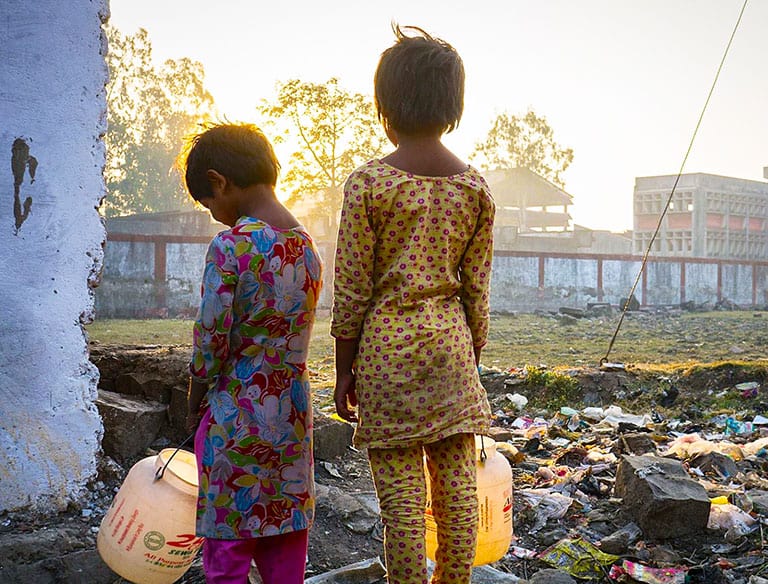
The monsoons of two decades have washed the chemicals deep into the soil and into the underground acquifers which feed wells and boreholes. The drinking wells and tap of communities living within a considerable radius of the plant have been contaminated with chemicals that are implicated in cancers and birth-defects. People have no other water supply and have been forced to drink and wash in Union Carbide's diluted poisons. Around 30,000 people are affected.

The French writer Dominique Lapierre, author of Five to Midnight in Bhopal tried a glass of the water:

I wanted to reckon the aggressiveness of this pollution by drinking half a glass of the water of one of those wells. My mouth, my throat, my tongue instantly got on fire, while my arms and legs suffered an immediate skin rash. This was the simple manifestation of what men, women and children have to endure daily, some eighteen years after the tragedy. (Read Dominique's article in English, French, Italian or Spanish.)

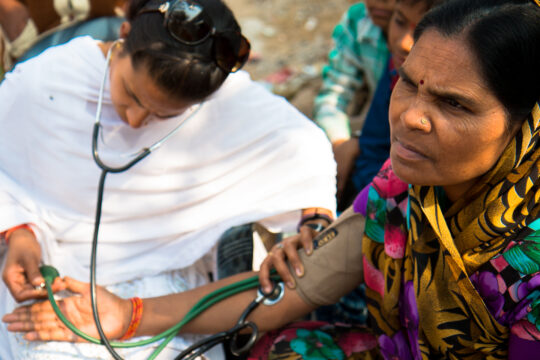
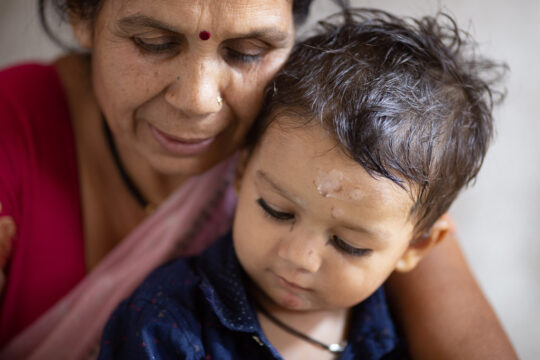
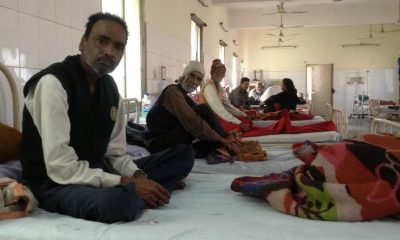
People meanwhile are ill from the water. In many cases these are the same families who were decimated by the gas in 1984. A whole new generation is being poisoned. People complain of aches and pains, rashes, fevers, eruptions of boils and other skin complaints, headaches, nausea, lack of appetite, dizziness, constant exhaustion. Lead, mercury and organochlorines have been found in the milk of nursing mothers living near the factory with the result that women are terrified to breast-feed their babies because they are feeding them poison.

Drops of mercury lie spilled on bare soil under the Sevin plant. They have lain here for nearly a quarter of a century. Greenpeace in 1999 found mercury in places at levels 6,000,000 times higher than background

In warehouses open to wind and rain, rotting sacks spill pesticides and poisons used in their manufacture. Thousands of tons of highly toxic chemicals remain in the factory

The poisoning has been going on for decades. The first signs appeared in the early 80s, before the gas leak, when animals grazing near the factory became ill and died. The complaints of their owners were settled out-of-court. The company continually denied that the factory was contaminated or was responsible for polluting water, but it is clear from internal Carbide documents obtained via "discovery" in the New York court case (see below) that it had carried out tests and knew as long ago as 1989 that soil and water within its boundaries were lethal. It chose not to make this knowledge public, instead continuing to deny that any danger exist.

We are now seeing epidemics of cancers, kidney failure and damaged births - children being born either with physical or mental damage, and in some cases both.

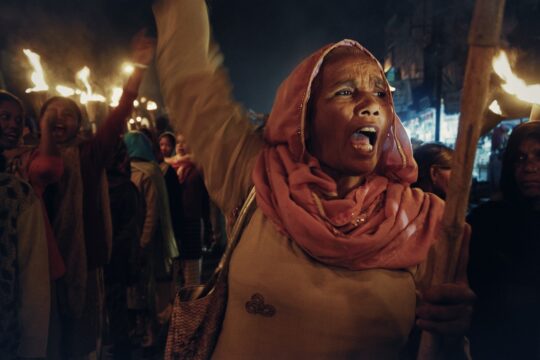
Survivors campaigning for clean water successfully petitioned the Supreme Court of India, which ordered in May 2004 that clean, safe water be piped into the communities. The state government has, until the time of writing (December 2008) ignored this order. In 2005 women who took their damaged children to government offices to ask why the Supreme Court order had been ignored were punched, kicked and beaten with sticks. Even the children were not spared.

Resources:

Summary of the contamination at the site (written 2001)

(PDF 720kb)

The Bhopal Legacy, Greenpeace's 1999 report on the poisoning

Surviving Bhopal, Toxic present, toxic future: A Report on Human and Environmental Chemical Contamination around the Bhopal disaster site by Srishti For the Fact Finding Mission on Bhopal (January 2002) (Word version 964kb) (PDF version 772kb)

Technical guidelines (Greenpeace research laboratories; 2002)

Recommendations on remediation by an expert panel (2004)

16 page brief on the contamination history (20

Earn £1 for the Medical Appeal

'To be able to hear the voices, direct and unmediated, of the survivors of the Bhopal disaster is crucial both for us and for the verdict of history. This book is a vital contribution to the story of Bhopal.' Paul Kingsnorth. Learn more.