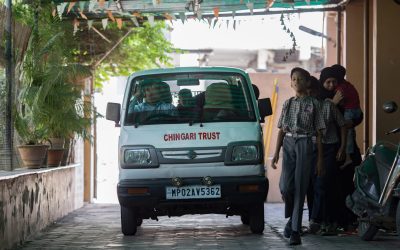
Caring for survivors of the world’s worst industrial disaster - The 1984 Bhopal Gas Tragedy
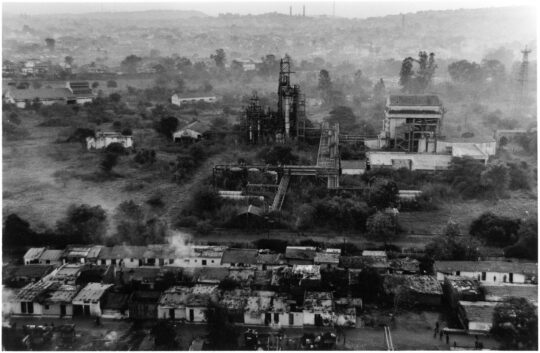
Since 1996 we have helped provide free medical care, education and community support to those suffering the effects of Union Carbide’s gas disaster, and to families still being damaged in their thousands by ongoing water poisoning.
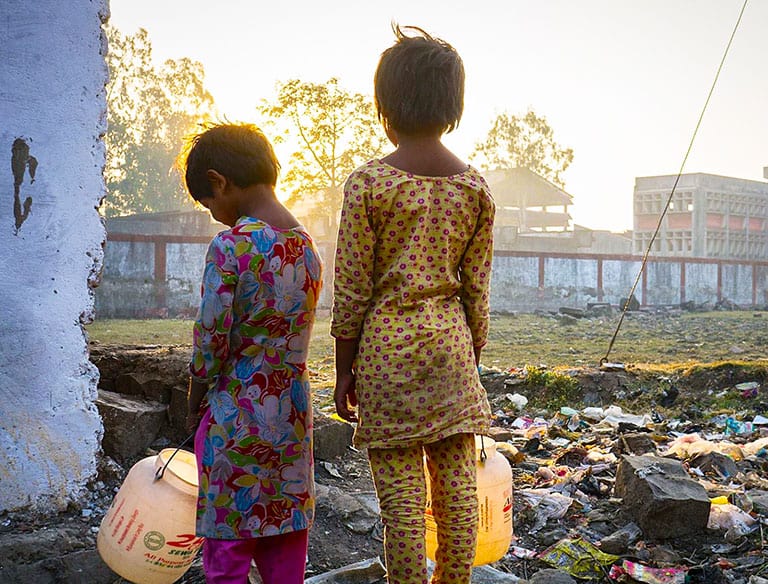
Caring for survivors of the world’s worst industrial disaster - The Bhopal Gas Tragedy.
Since 1996 we have helped provide free medical care, education and community support to those suffering the effects of Union Carbide’s gas disaster, and to families still being damaged in their thousands by ongoing water poisoning.
We promote community-led practices that can be adopted by those affected by industrial disasters around the world. We support activities to prevent future such disasters.
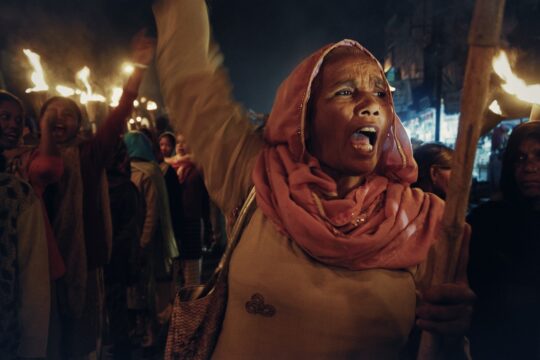
We believe Union Carbide's owner Dow must finally accept responsibility for Bhopal. Until then, the survivors continue to turn to each other, and to us.
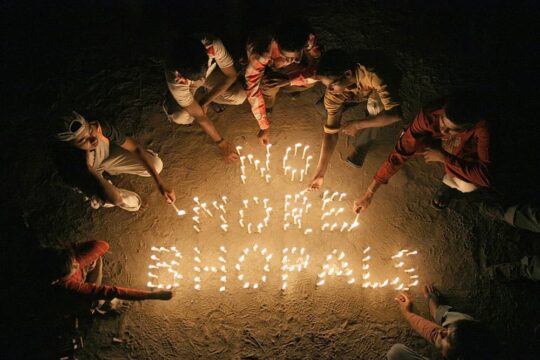
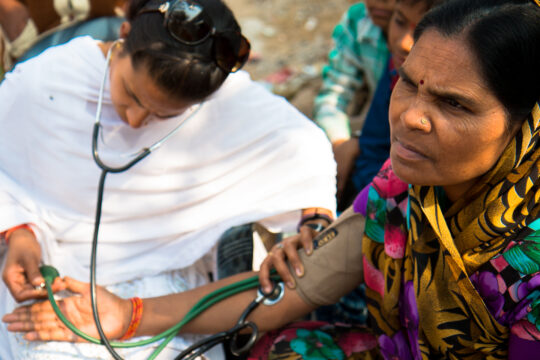
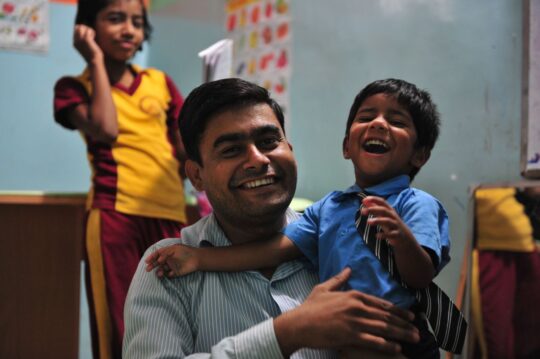
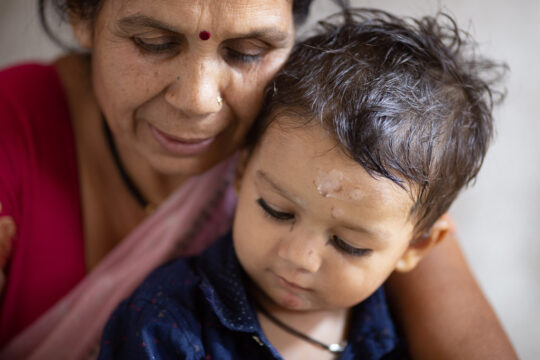
Chingari Child Rehabilitation Fund
We are currently fundraising for the Chingari Child Rehabilitation Fund, which provides life-changing therapies and education to children from gas and contaminated water affected Bhopali families.
Latest News
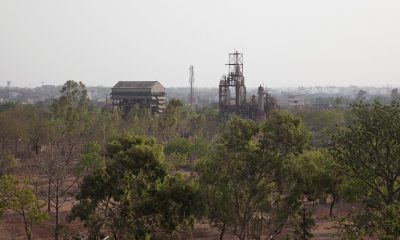
National Green Tribunal Orders Bhopal Groundwater Sampling
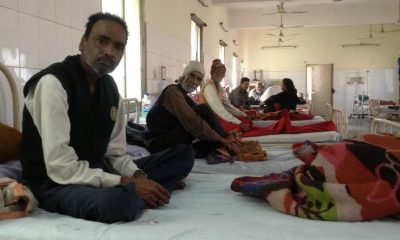
Gas Survivors to Receive Free Cancer Treatment
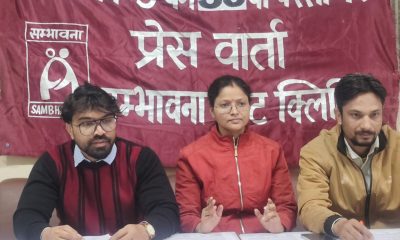
Sambhavna Trust Clinic Update Press on Occasion of 39th Anniversary
Fundraising Events
39 Asana’s for the 39th! Online Fundraiser for Yoga For Bhopal – Sun 3rd December
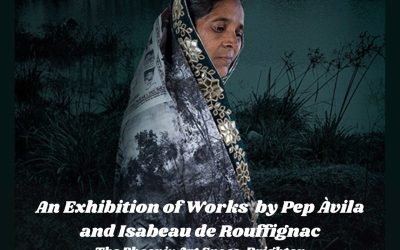
Memories of an Indian Future Free Art Exhibition May 31st – June 4th!